Ricostruire la memoria, restituire identità.


Ogni fotografia custodisce una storia. Nel Portfolio di RELUCE Lab mostriamo il viaggio che compiamo per riportarla alla luce: un percorso in tre fasi che unisce tecnica, sensibilità e visione.

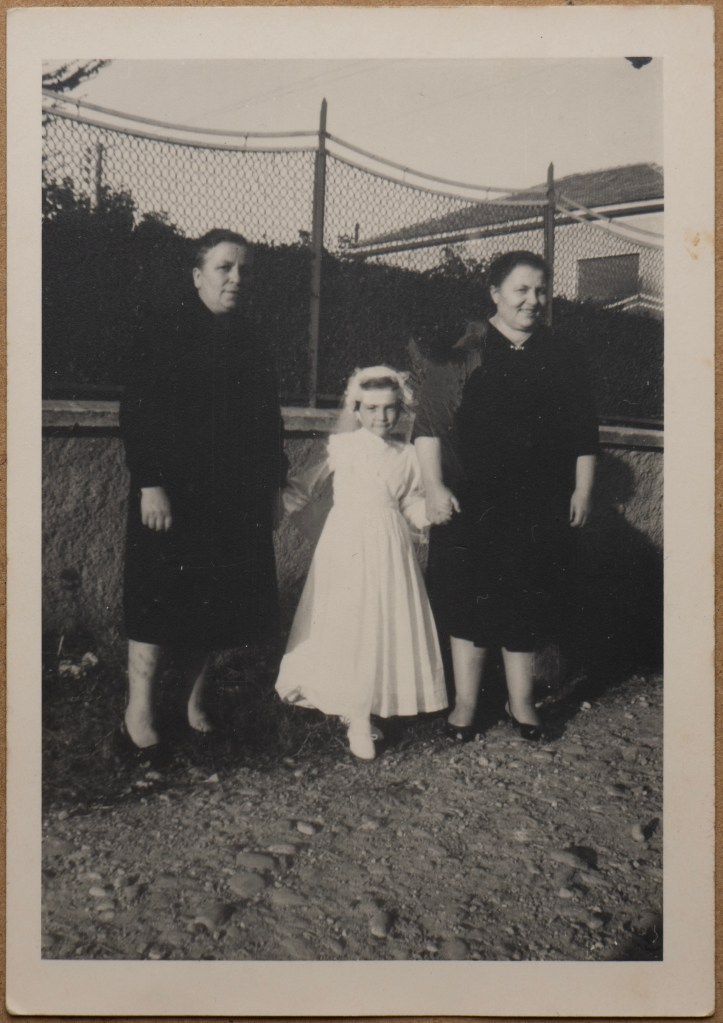
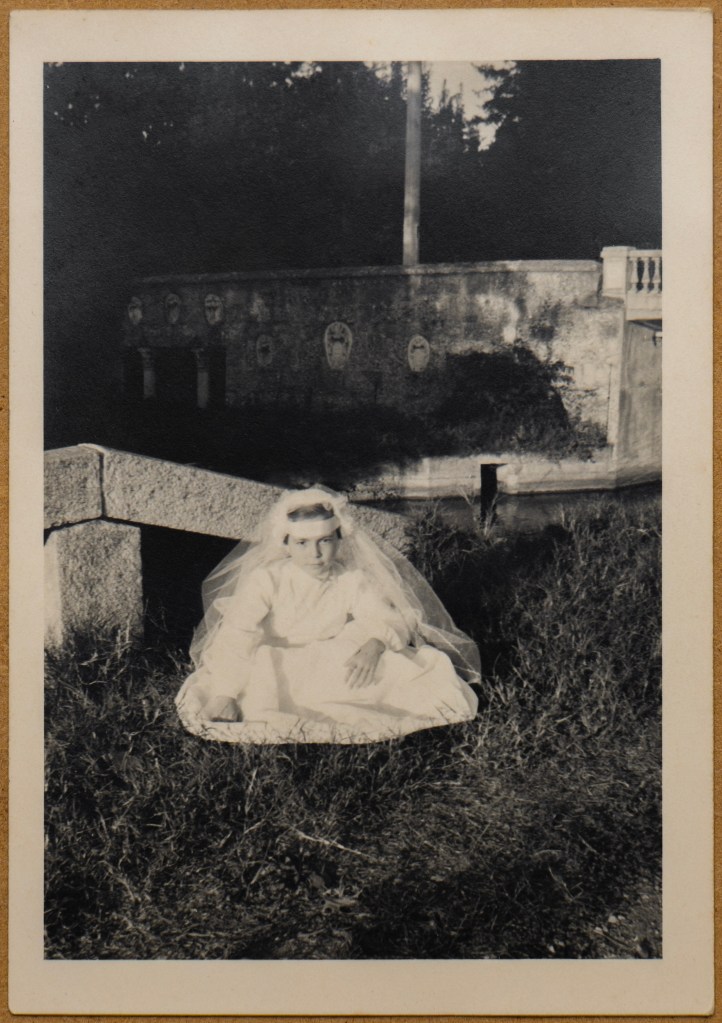
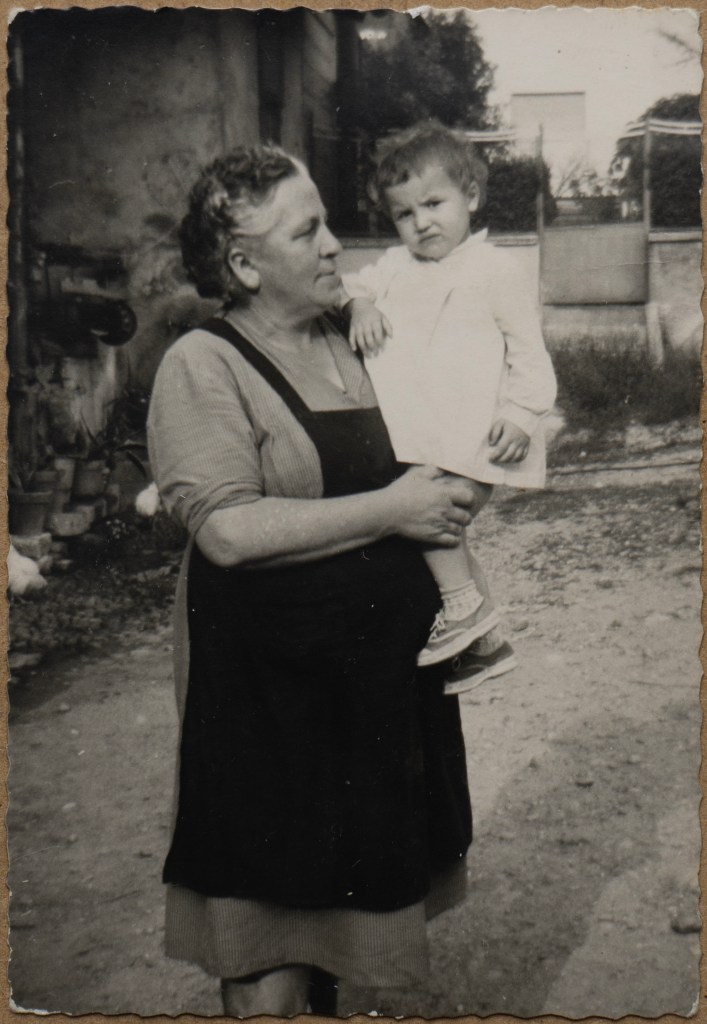
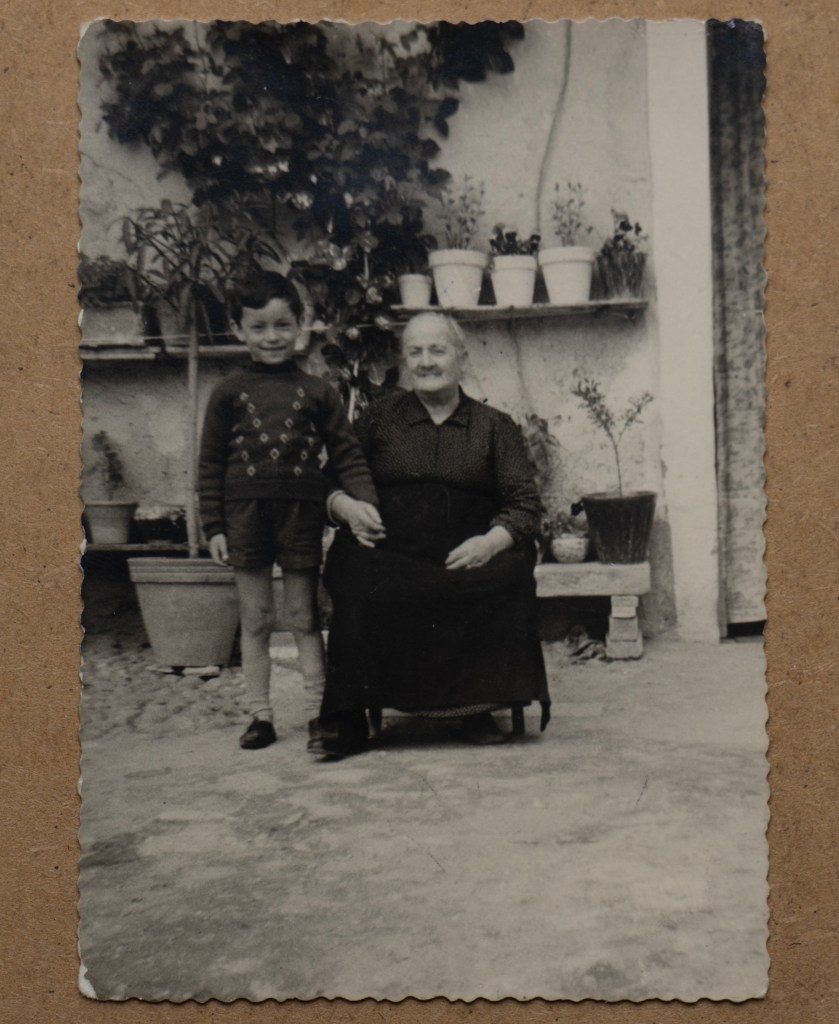
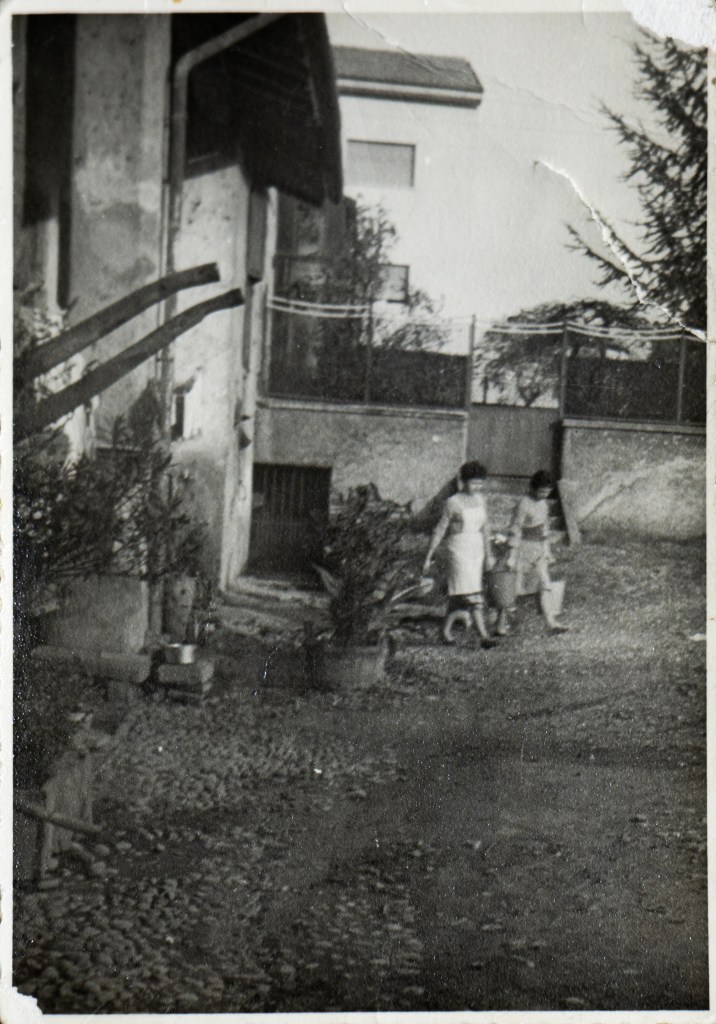
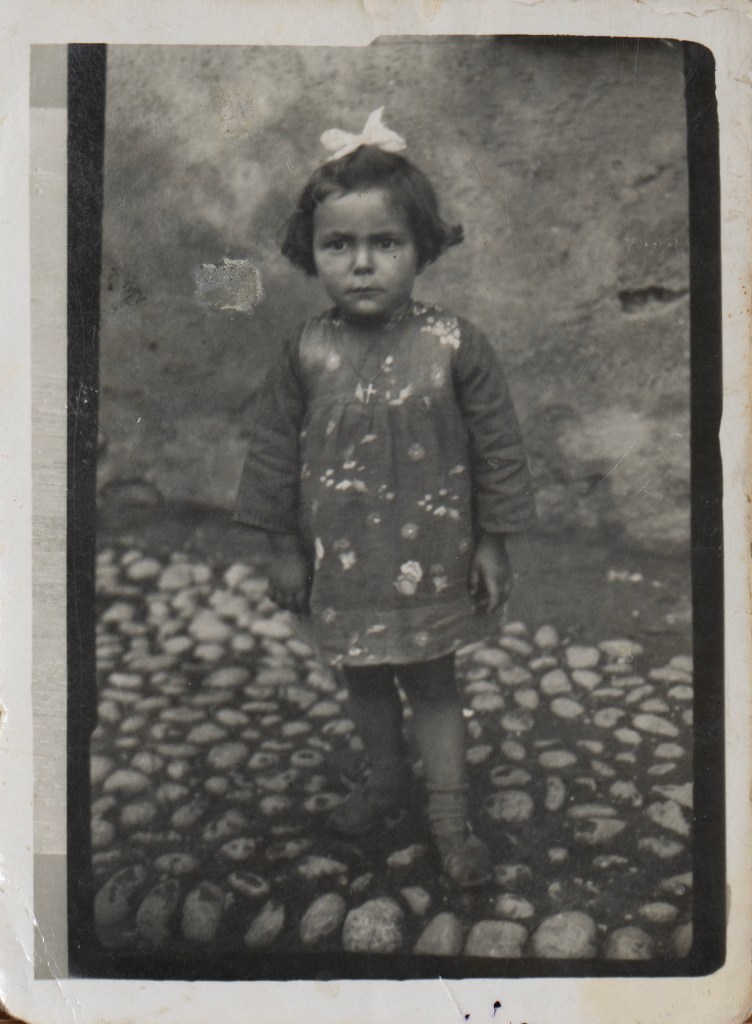
  1. L’immagine originale
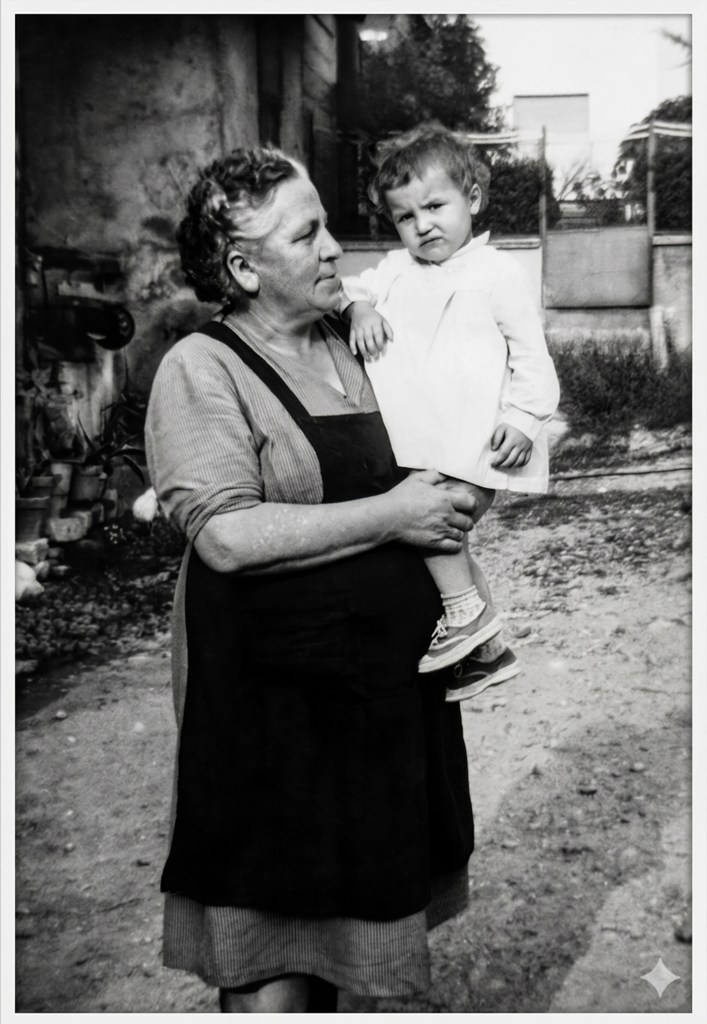
    Il punto di partenza. Una fotografia segnata dal tempo, fragile, spesso incompleta. È la testimonianza autentica di un momento che chiede di essere ascoltato.
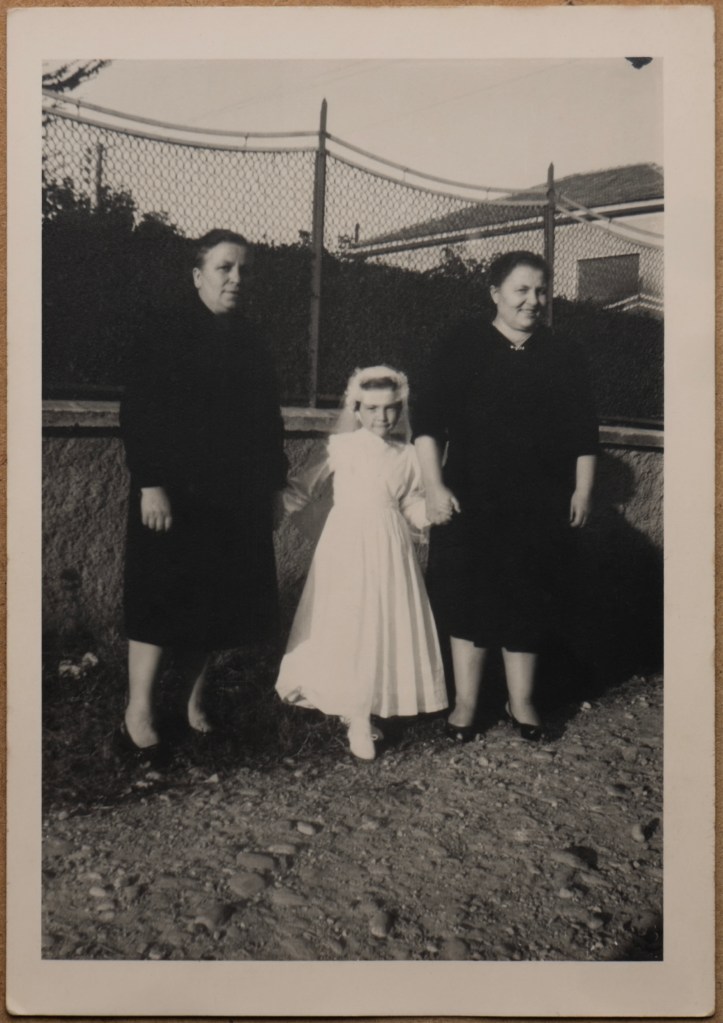
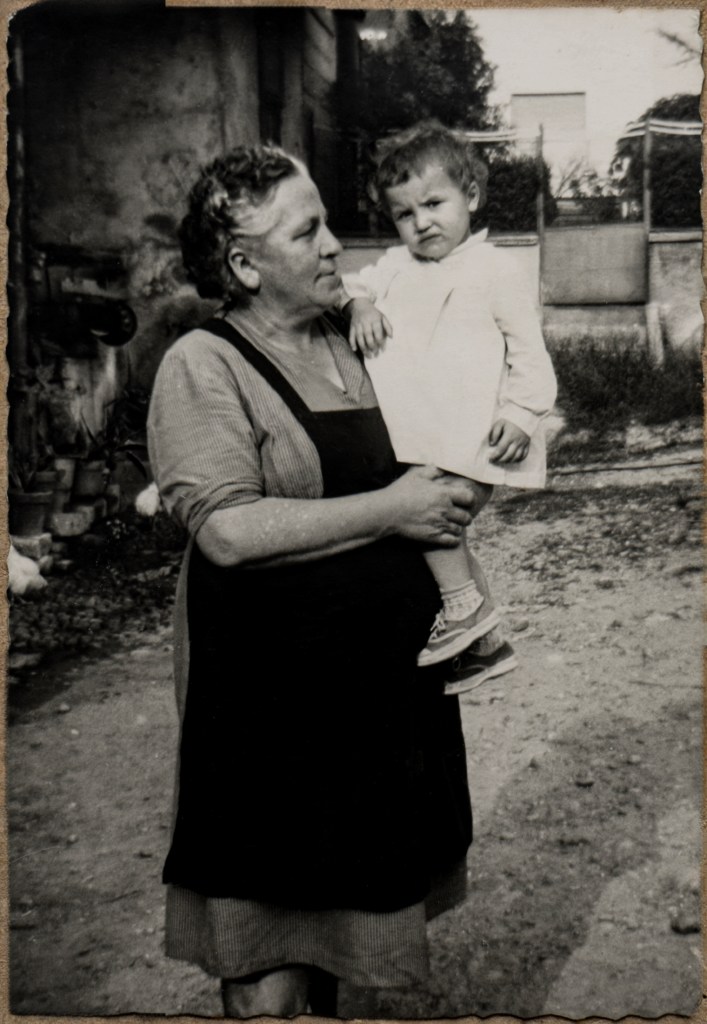
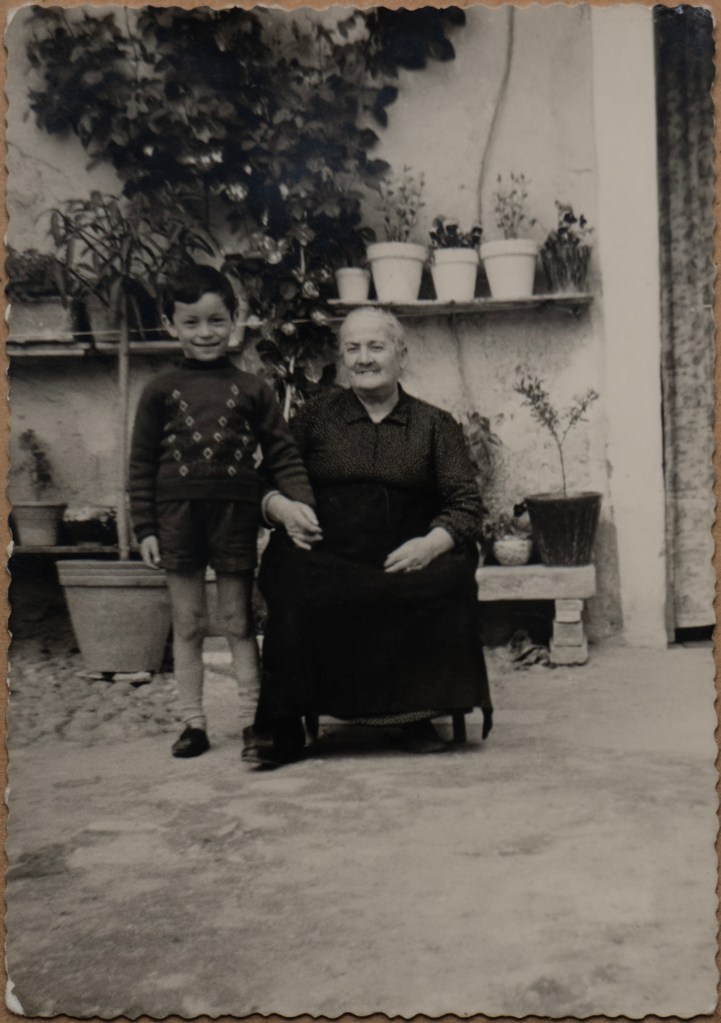
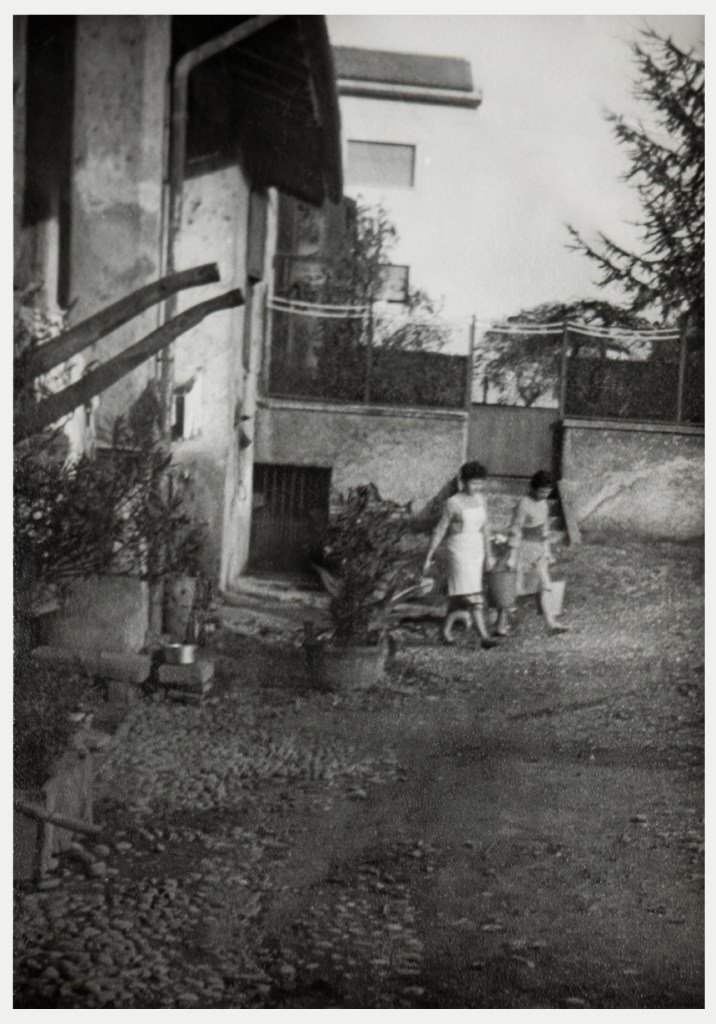
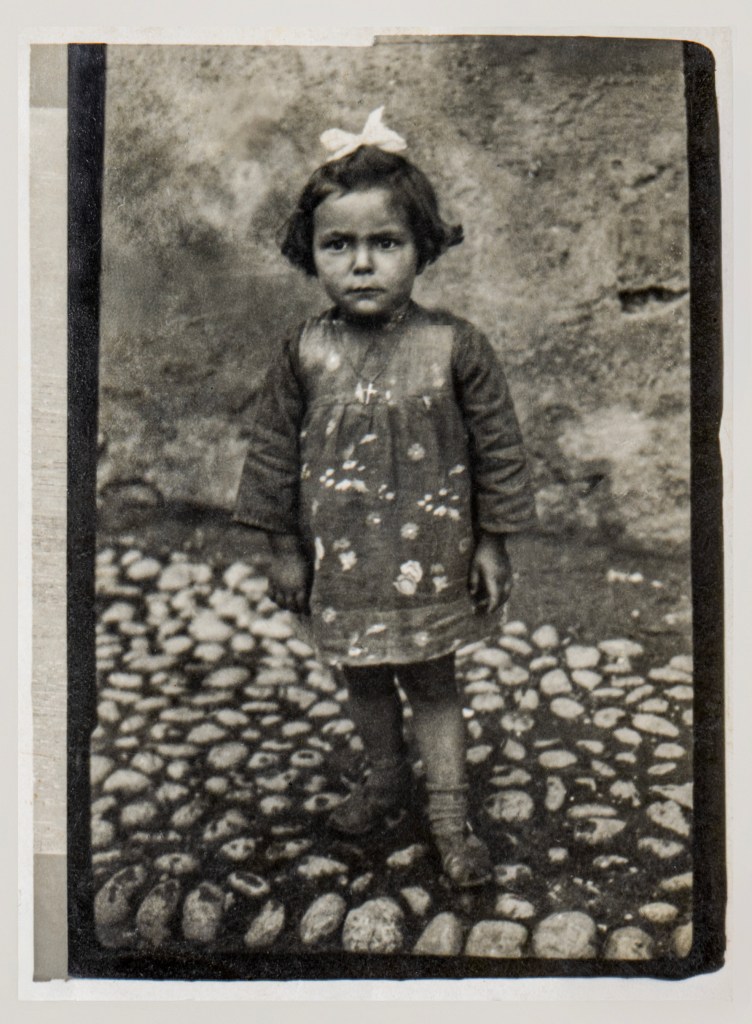
  2. Il restauro digitale
    Qui la memoria torna a respirare. L’immagine viene ripulita, ricomposta e valorizzata, mantenendo volutamente le sue imperfezioni: quelle piccole tracce che rendono un ricordo vero, vissuto, umano.
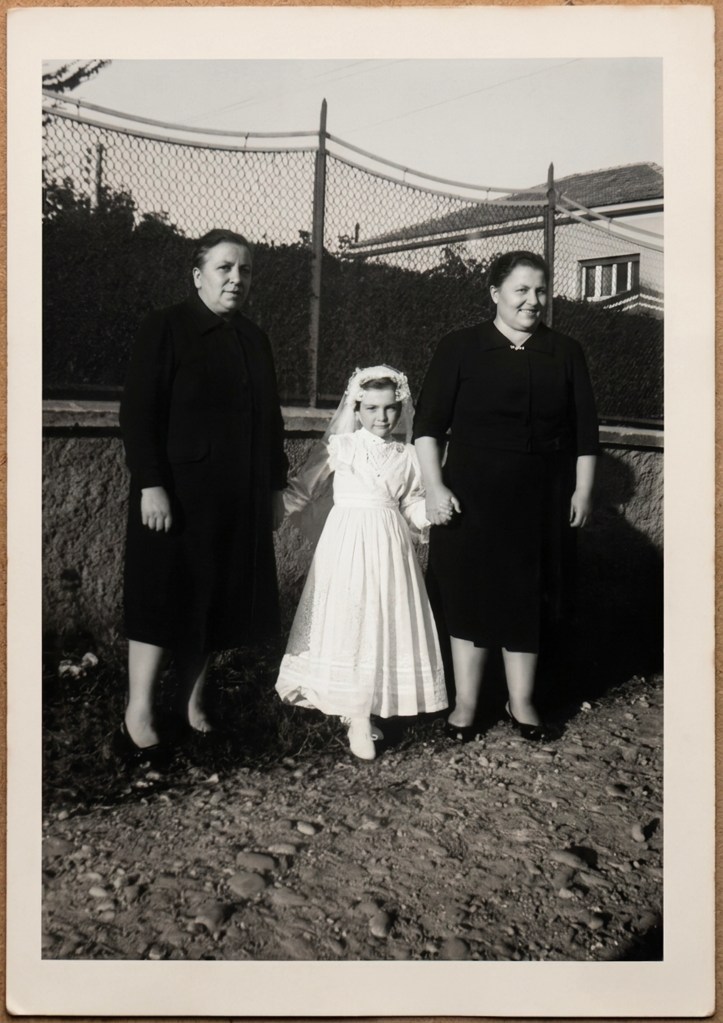
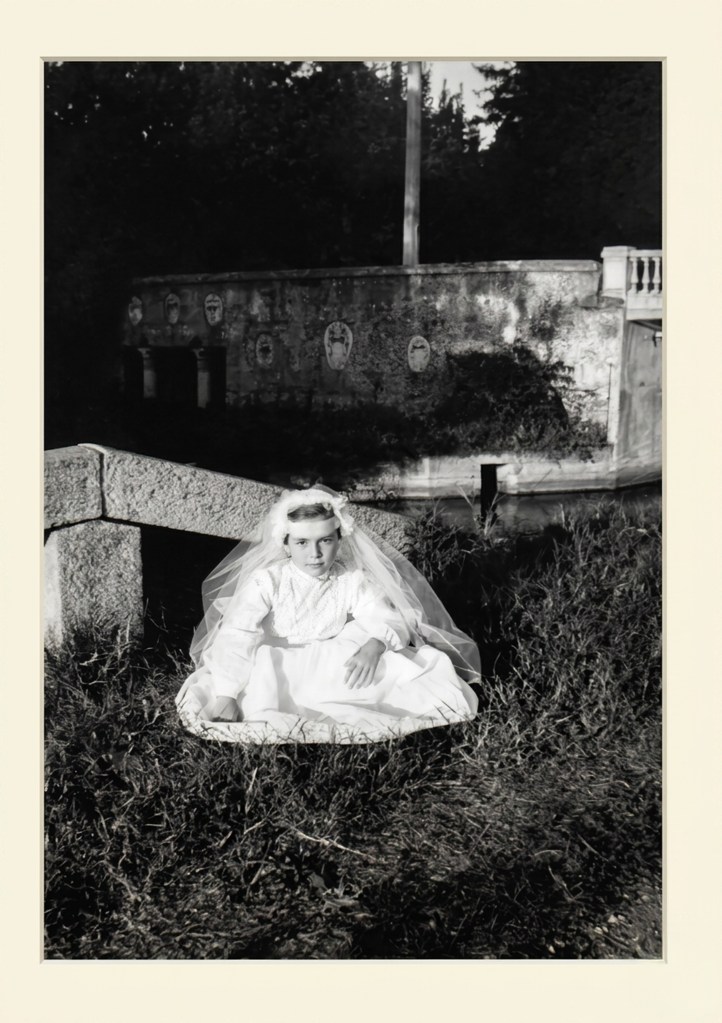
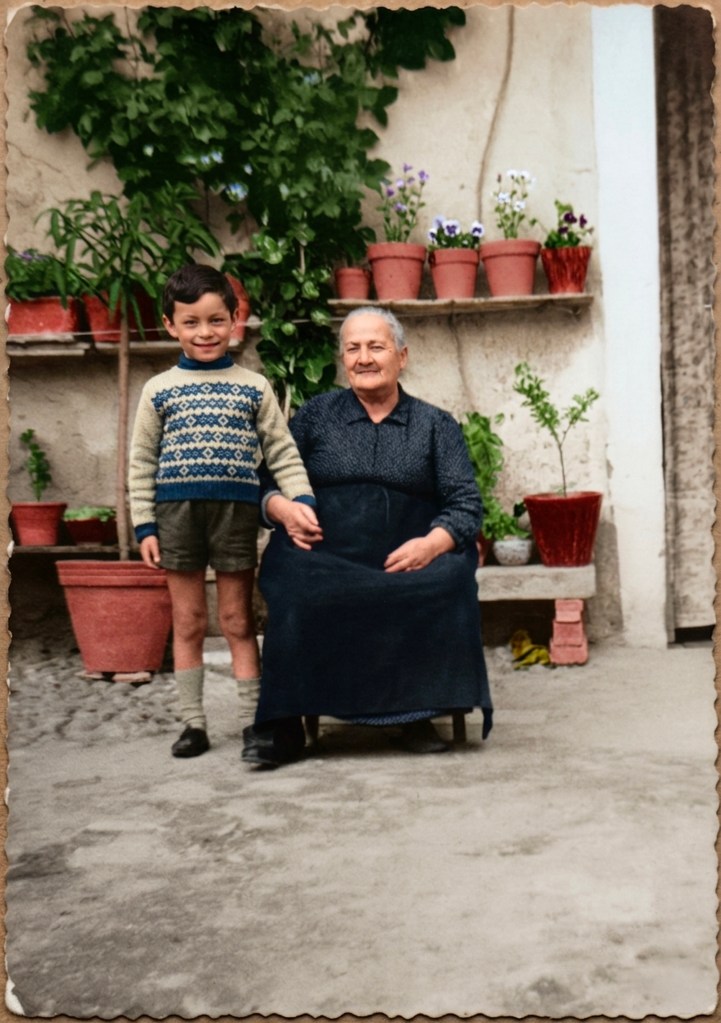
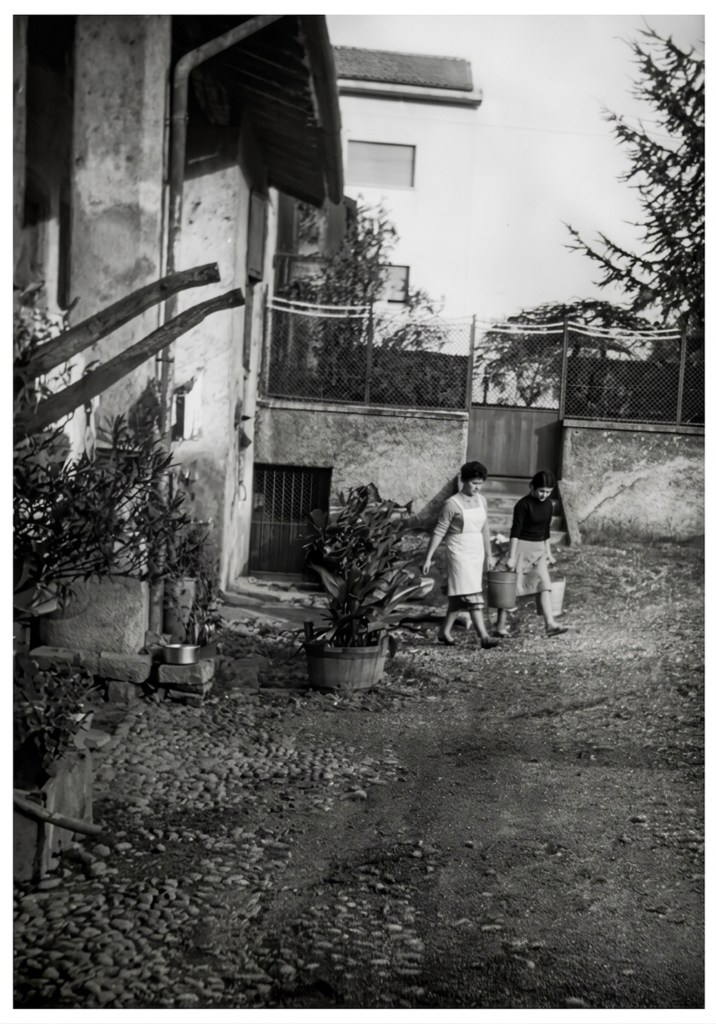
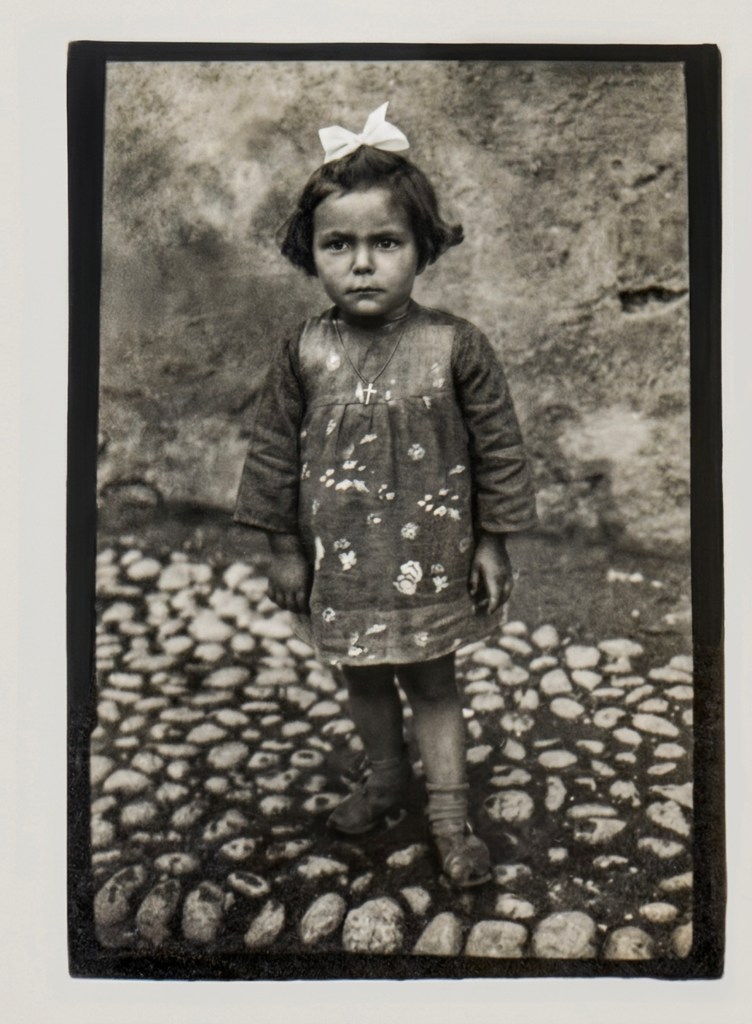
  3. La ricostruzione tramite AI
    L’ultimo passo è una reinterpretazione rispettosa: un’immagine ricreata con l’intelligenza artificiale per immaginare come sarebbe stata la fotografia senza i segni del tempo. Non sostituisce l’originale, ma lo completa, offrendo una nuova prospettiva.

Questo percorso a tre livelli permette di vedere non solo il risultato, ma anche la cura, la tecnica e la filosofia che guidano il nostro lavoro: preservare la memoria, amplificarla, e restituirle dignità.
Recensioni
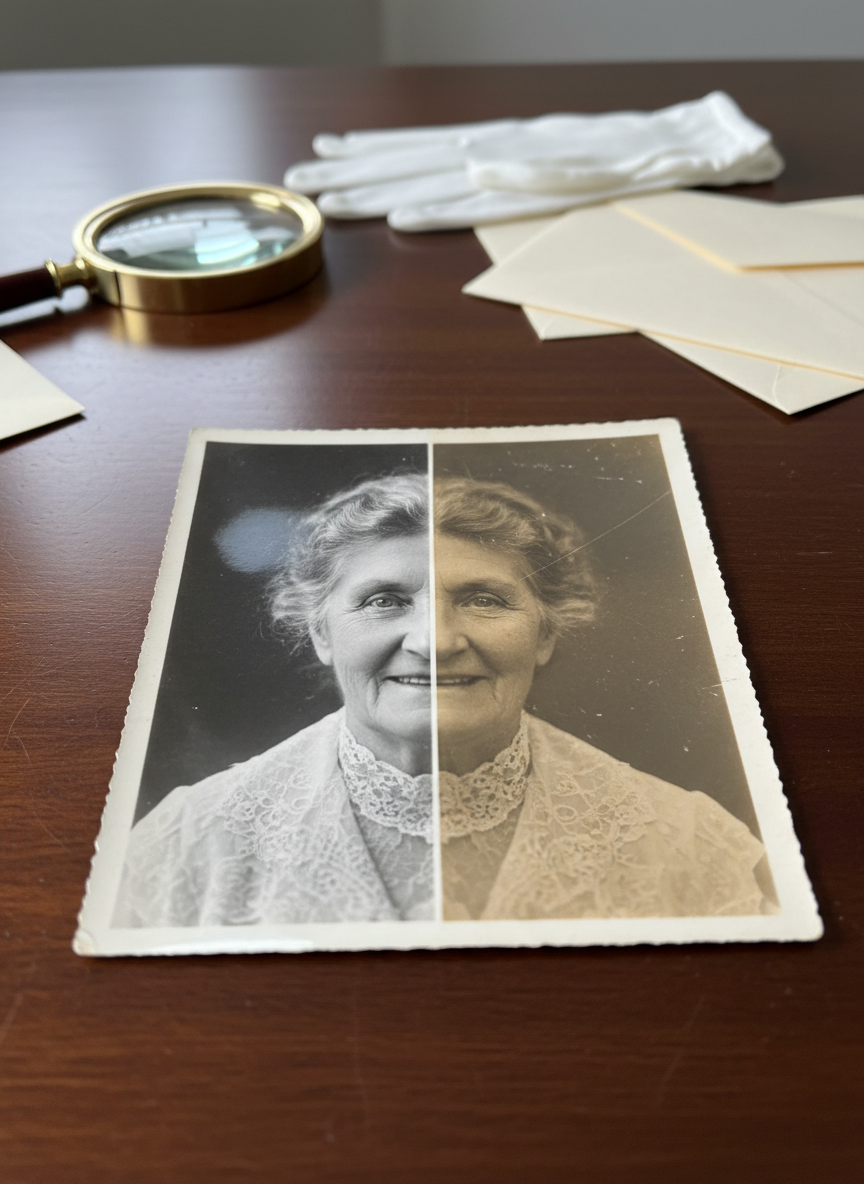
A meticulously restored black-and-white photograph lies flat on a dark walnut table, one half crisp and pristine, the other half subtly faded and scratched, showing the contrast between damage and restoration. Around it, soft-focus archival tools rest neatly: a magnifying glass, cotton gloves, and acid-free envelopes. Cool, diffused daylight from an unseen window creates gentle reflections on the glossy photo surface and delicate shadows along the edges. Shot from a slightly elevated, eye-level angle with a shallow depth of field, the composition centers on the transition line between old and renewed. The mood is sophisticated and reverent, emphasizing memory and identity, captured with photographic realism and a clean, minimalist aesthetic.

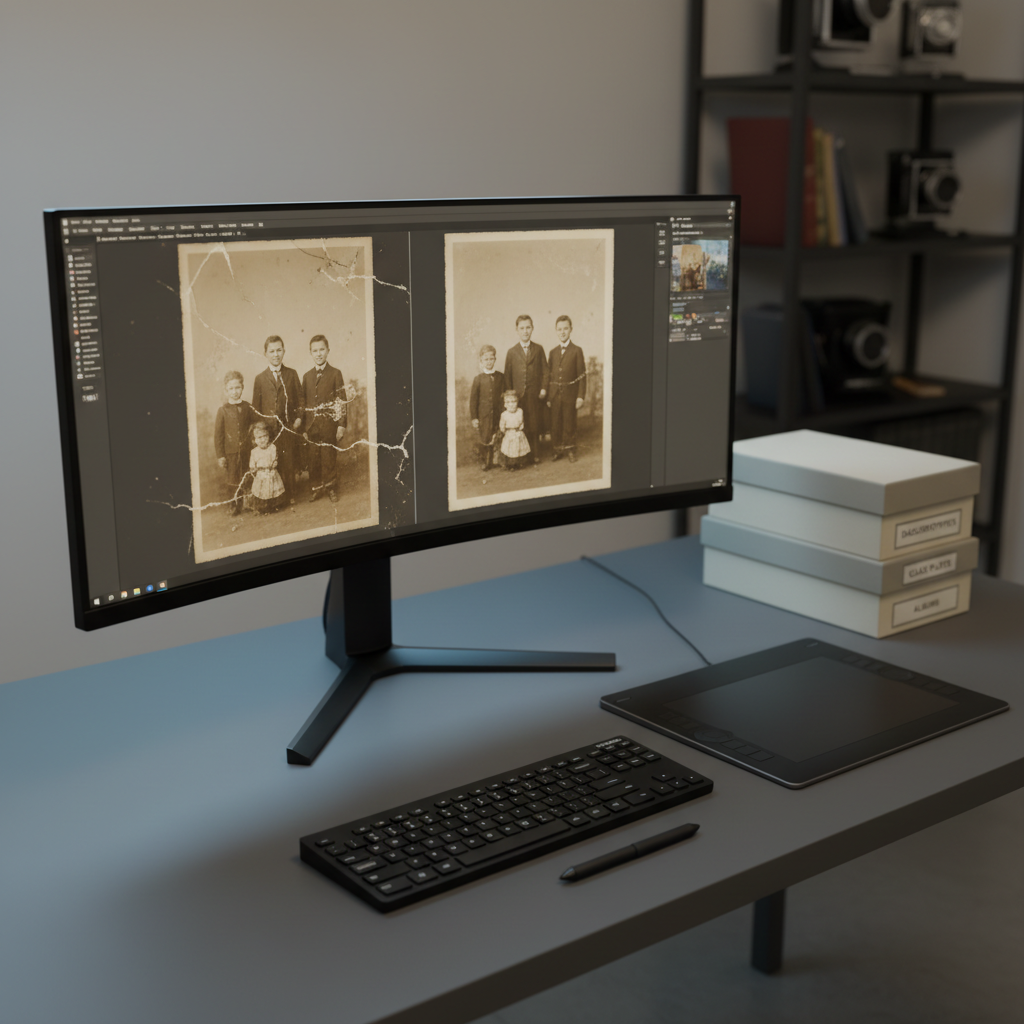
An elegant workstation dedicated to photographic restoration, featuring a large calibrated monitor displaying a split-screen of a damaged sepia photograph and its digitally restored version. The sleek black keyboard, stylus pen, and graphics tablet rest on a matte charcoal desk surface, next to neatly stacked archival storage boxes labeled with subtle typography. Soft, neutral studio lighting illuminates the scene evenly, with a faint glow from the monitor casting a cool accent on surrounding objects. Captured from a three-quarter angle with balanced depth of field, the composition follows the rule of thirds, drawing attention to the transformation on screen. The atmosphere is focused and sophisticated, conveying precision and care in reconstructing visual memories, rendered in clean, modern photographic realism.